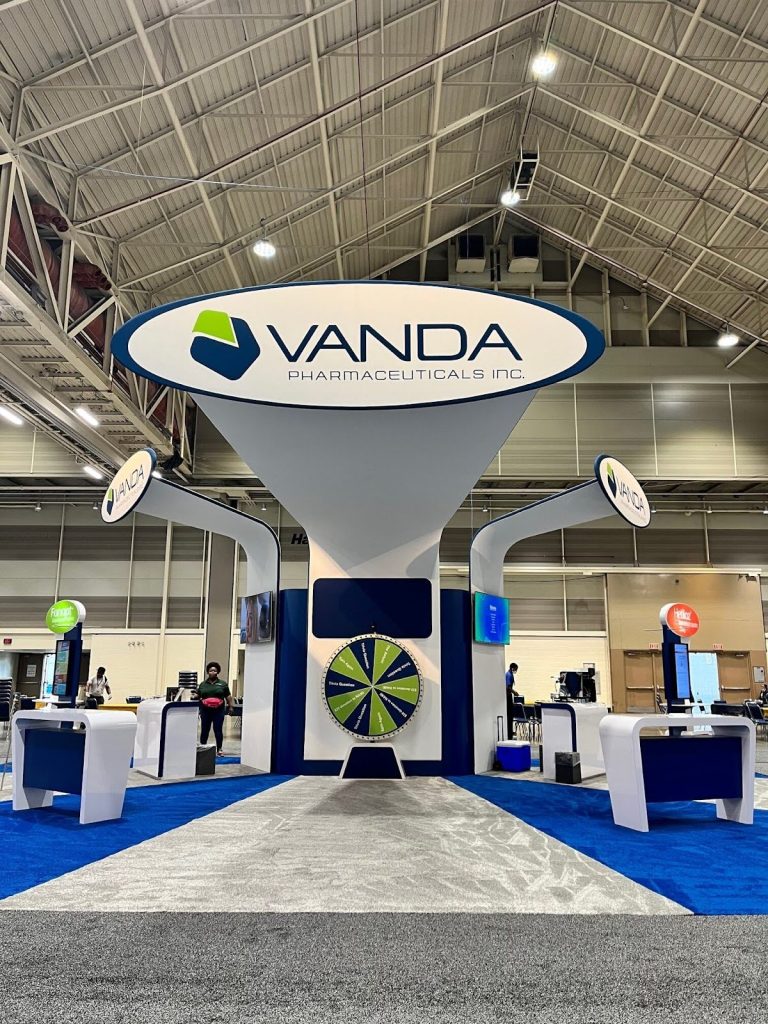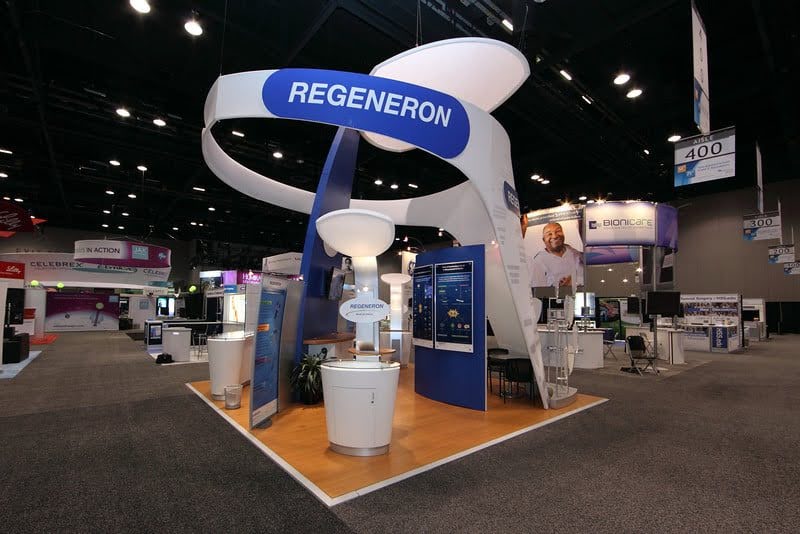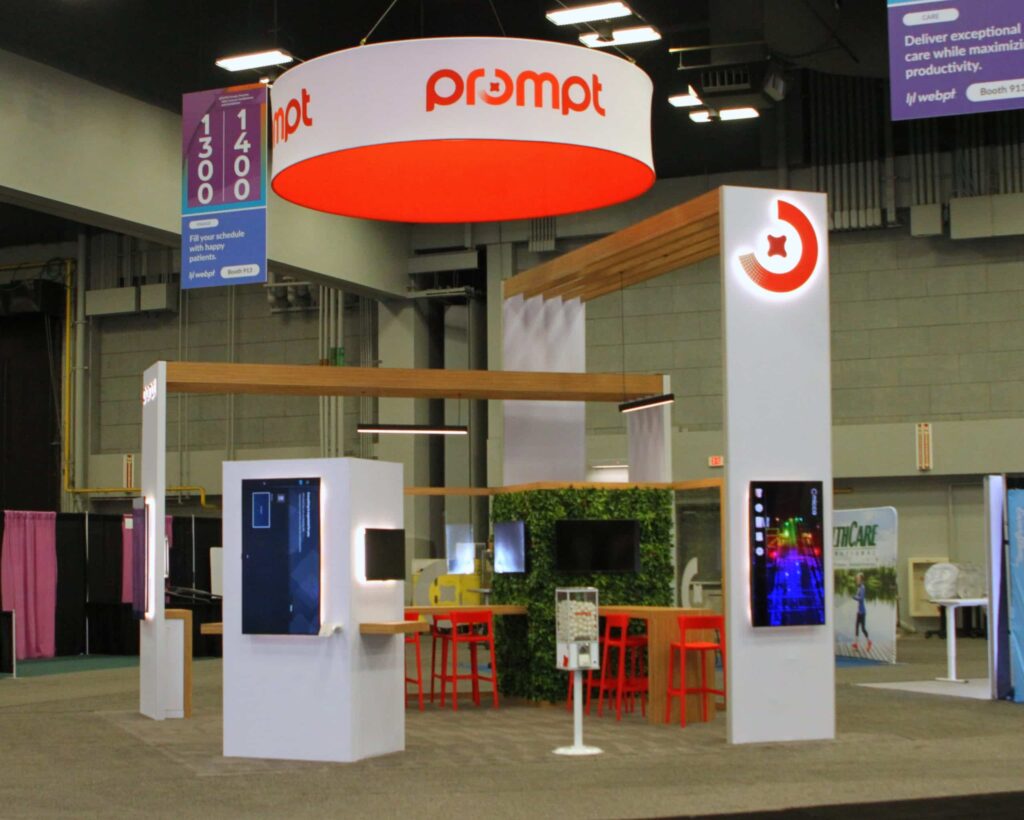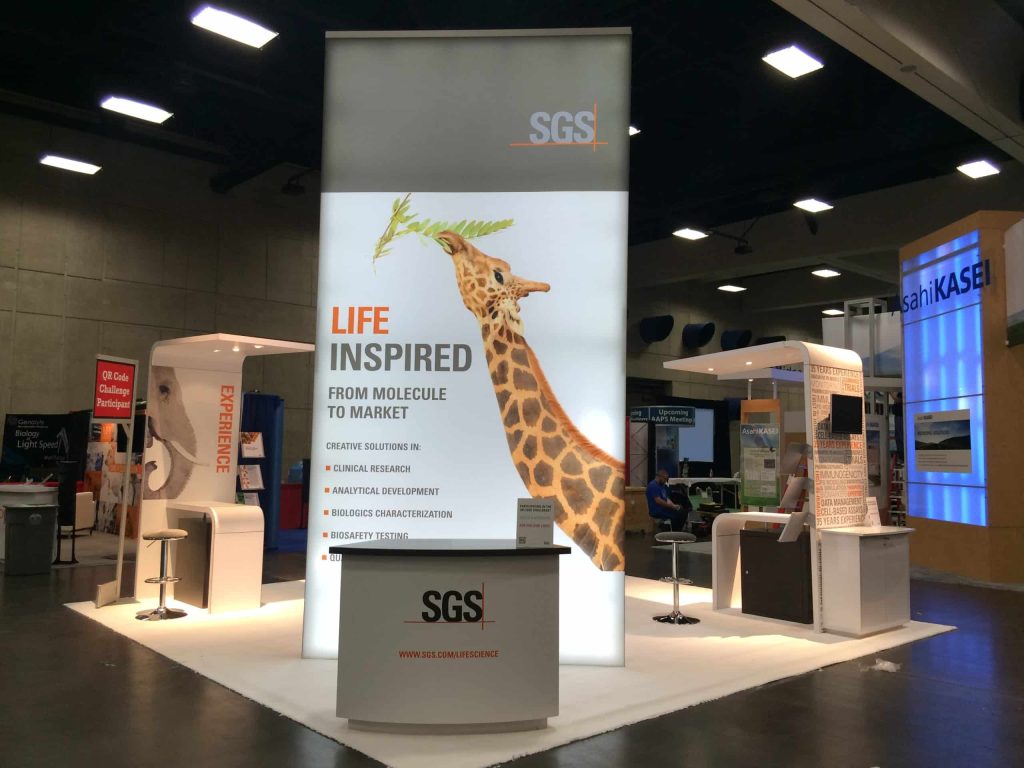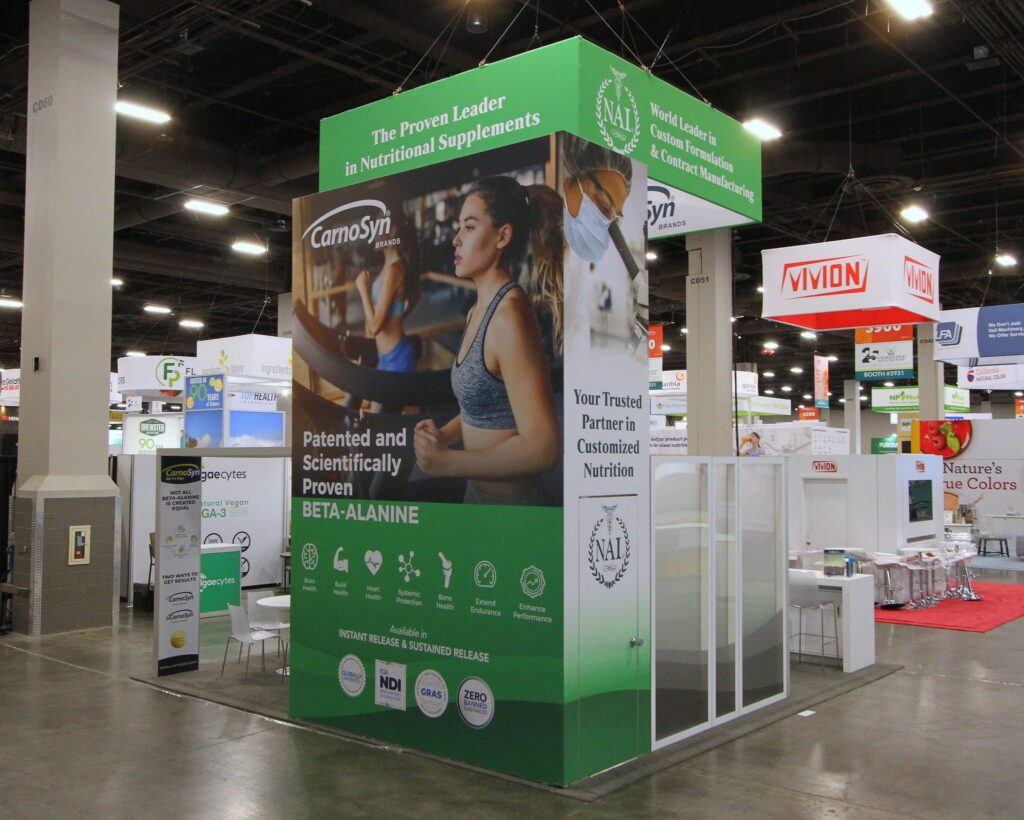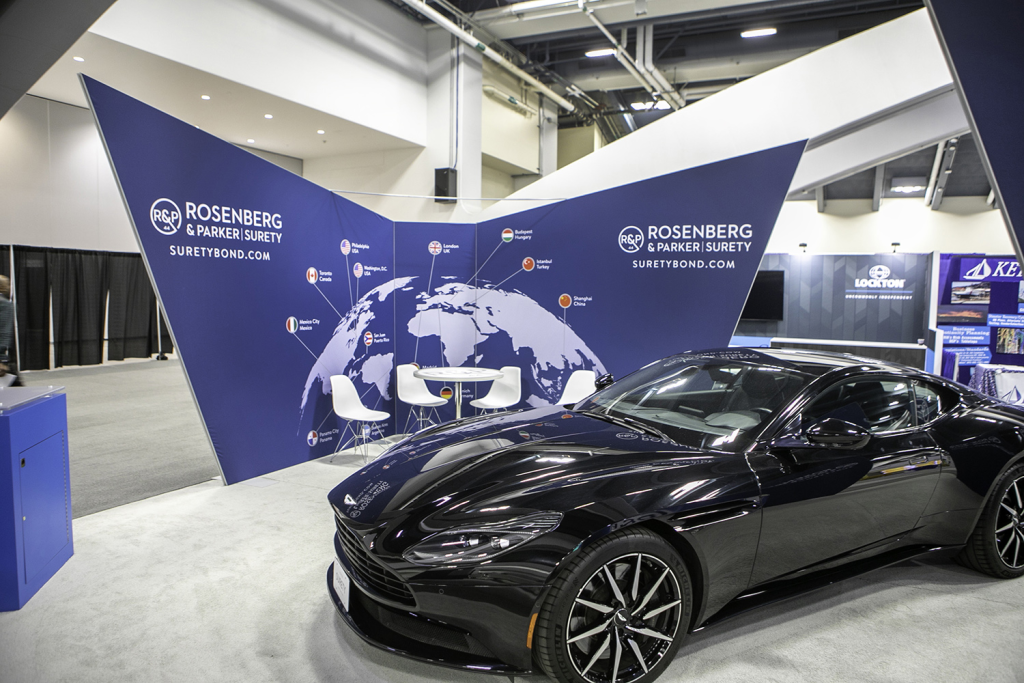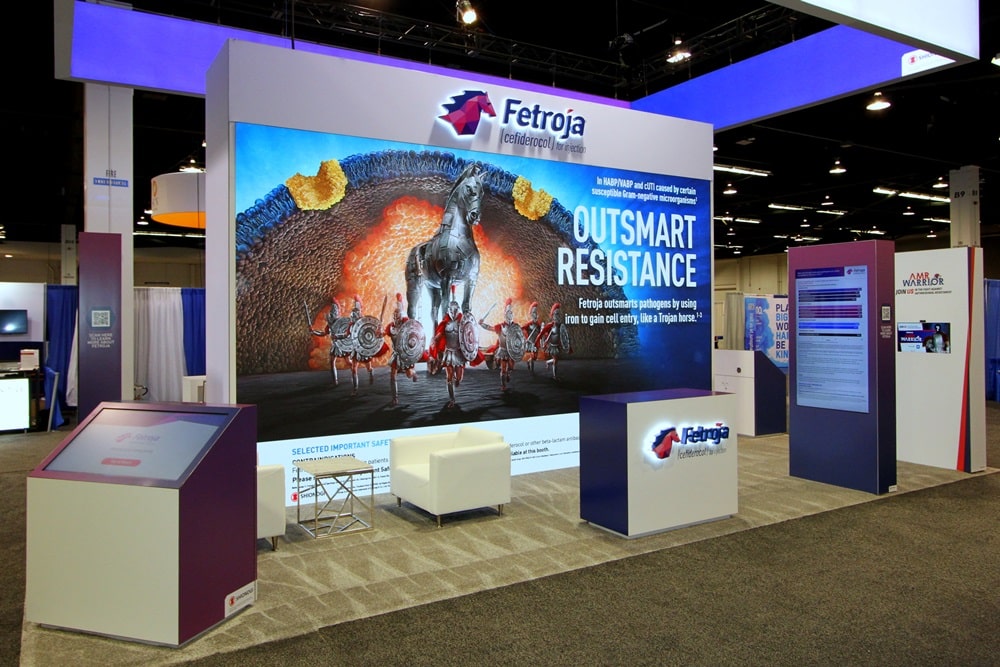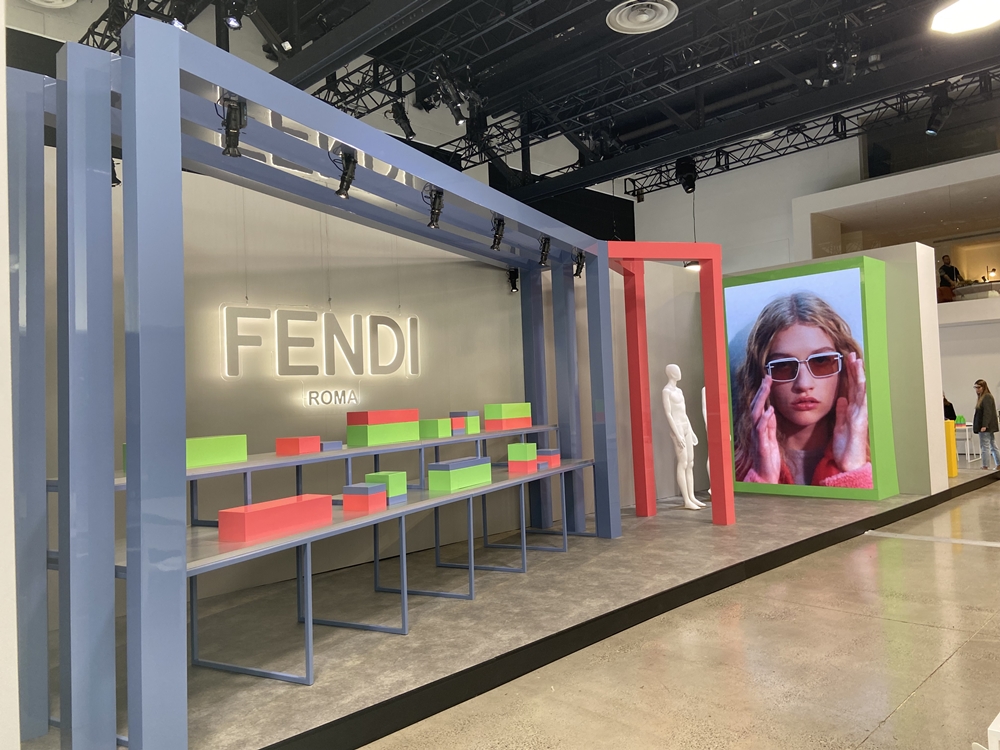

Custom Trade Show Booth Design: What Goes Into the Build
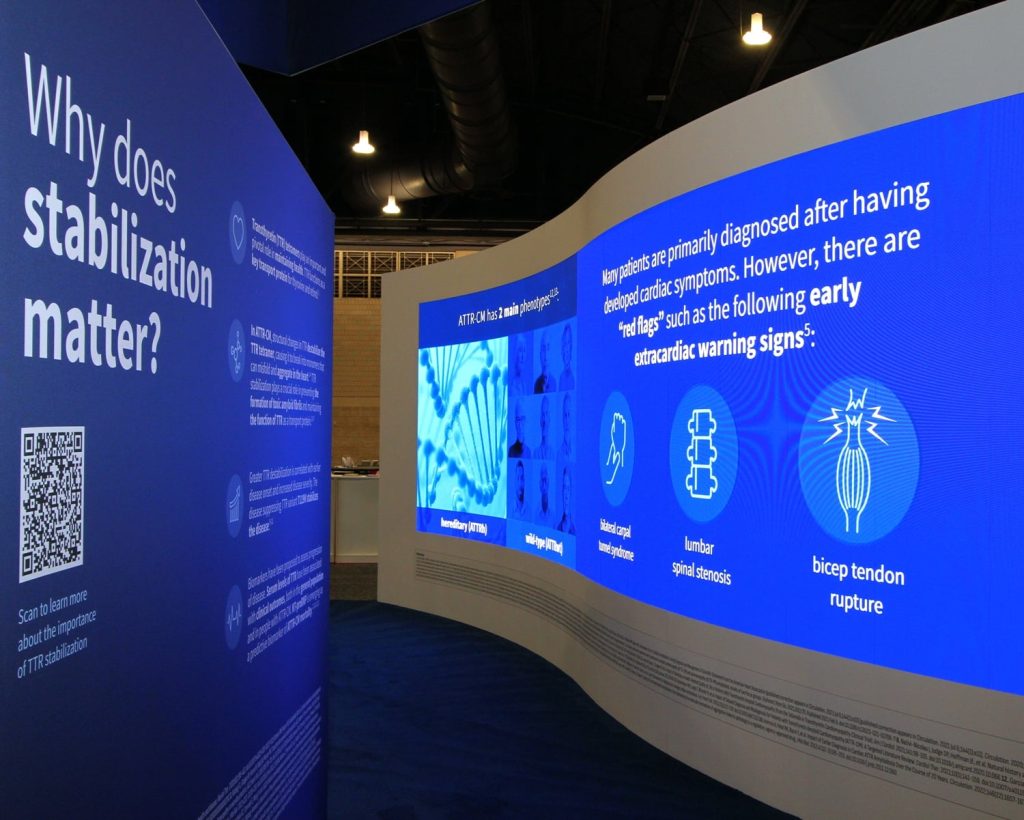
Attendees walking a trade show floor see the finished result: a polished, branded environment that stops foot traffic and draws people in. What they don’t see is everything that happens before the lights go up and the first visitor steps inside. A custom trade show booth isn’t assembled overnight. It’s the product of weeks, sometimes months, of strategy, design, engineering, and hands-on craftsmanship.
For brands weighing whether a custom trade show exhibit is worth the investment, understanding what goes into the process makes the value a lot clearer. Here’s a look behind the curtain.
It Starts With Discovery, Not Design
The biggest misconception about custom trade show booth design is that the process begins with a sketch. In reality, it begins with questions. What’s the business trying to achieve at this event? Who’s the target audience? What does the brand need to communicate in the ten seconds it takes someone to decide whether to walk in?
This discovery phase shapes everything that follows. Skip it, and you end up with a booth that looks nice but doesn’t actually work, one that doesn’t guide visitors, doesn’t reinforce the brand story, and doesn’t convert foot traffic into real conversations. Getting this stage right is why our strategy always starts with insight-gathering before a single concept is drawn.
Concept Development: Where Strategy Meets Creativity
Once the objectives are clear, the concept phase turns them into something visual. This is where ideas get sketched, tested, and refined, balancing what looks impressive against what’s actually achievable within budget and space constraints.
A good concept phase asks hard questions early: Does this layout create natural traffic flow? Does it give staff room to engage without crowding? Will it still feel fresh if the brand reuses it at multiple shows? Answering these before production begins is what separates a custom exhibit from a booth that just happened to get built.
Engineering: Turning Trade Show Booth Design Into Something Buildable
This is where the exhibit starts to take physical shape. Designers, engineers, and multimedia specialists work together to translate the approved concept into something that can actually be fabricated, accounting for materials, lighting, structural integrity, and how the piece will ship, assemble, and disassemble show after show.
Modern exhibits increasingly lean on technology at this stage too. Integrated lighting, video walls, and interactive elements all have to be engineered into the structure from the start, not bolted on as an afterthought. That’s part of why our exhibits are designed to accommodate A.V. integration without looking cluttered or overbuilt.
Production: Where Craftsmanship Takes Over
Production is the least visible part of the process to clients, but it’s often the most labor-intensive. Fabrication, graphic printing, finishing, and quality control all happen here, checking that every panel fits, every graphic aligns, and every interactive element functions exactly as designed.
This is also where attention to detail pays off long after the exhibit ships. A well-built structure isn’t just made to look good on day one; it’s made to hold up across dozens of shows, tear-downs, and re-installations without losing its polish.
Delivery Day: From Crates to Show Floor
All of that planning comes together on-site. A team experienced with logistics, staging, lighting, and A.V. setup gets the exhibit from crates to fully operational, so your staff can focus on visitors instead of last-minute fixes.
This is also where the discovery-stage strategy either proves itself or doesn’t. Does the booth draw people in the way it was designed to? Does the layout hold up once real foot traffic starts moving through it? When the earlier stages are done well, the answer is yes on both counts.
Why This Process Matters for Your Brand
Every stage exists to prevent the two most common failure points in trade show marketing: booths that look good but don’t function, and booths that function but don’t reflect the brand. Skipping steps, jumping straight to fabrication without real discovery, or treating design as an afterthought to budget is usually where both problems start.
A custom trade show exhibit built through a complete process isn’t just a display. It’s a strategic asset that can be reused, adapted, and refined across multiple events, representing the brand the way it’s meant to be seen.
Ready to See What a Custom Booth Could Do for Your Brand?
If your current booth isn’t pulling its weight, or you’re planning your first major show and want it done right, connect with our team to talk through what a custom trade show booth built specifically for your goals could look like.